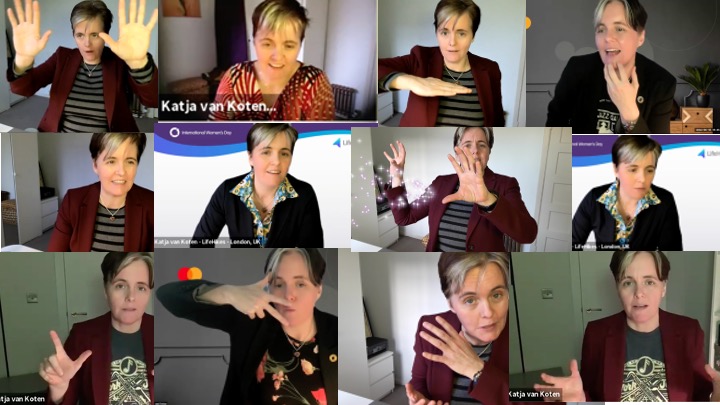
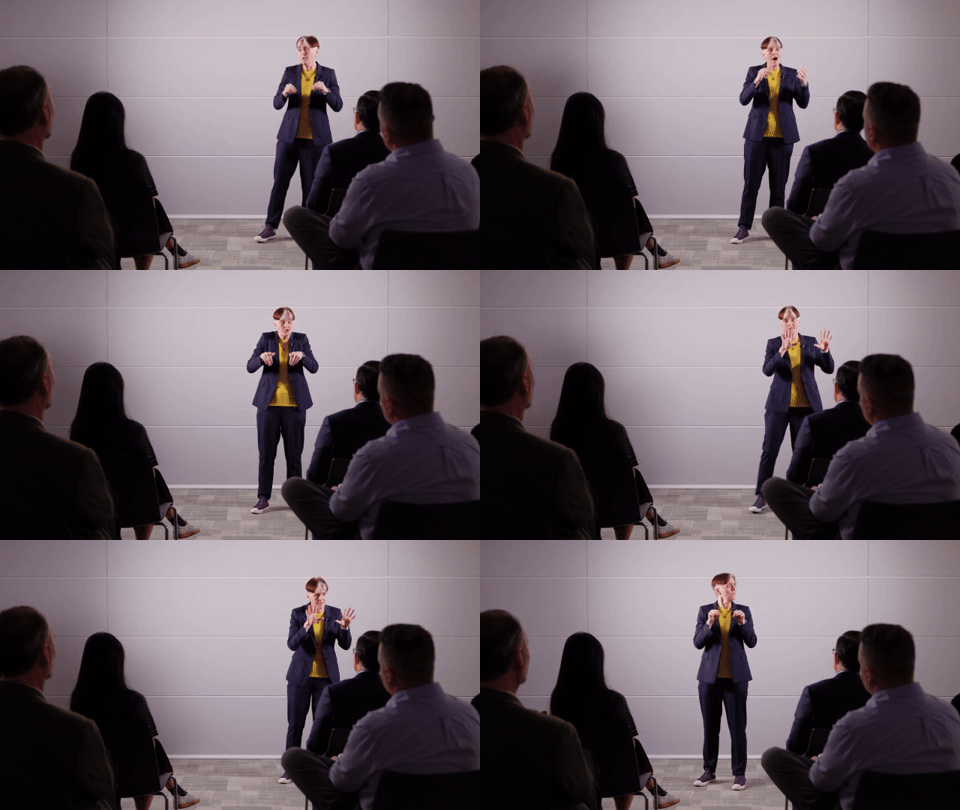
In 2022 I ran 136 virtual sessions.

I did not plan to learn what I did from that year. I thought I was delivering training. What I was actually doing, without quite naming it at the time, was watching the same patterns surface again and again across completely different teams, organisations, and topics.

The pattern that appeared most consistently was not about communication skills. It was about assumptions: the assumptions people carry about what good communication looks like, and the quiet pressure they put on themselves because of the gap between that image and what they actually do.

The clients often wanted the meatier topics. Challenging conversations, difficult feedback, high-stakes communication. And those matter. But what I kept observing was that the real difference was rarely made by the content of the session. It was made by smaller things.

One of those things was presence. Not mine as the facilitator, though that matters too. Everyone’s.

And by presence I do not mean high energy, or being visibly engaged, or performing enthusiasm. Some of the most present people in a room are the calm ones. The ones who observe carefully before they speak. The ones who ask the question no one else thought to ask. You need both in a team: the person who moves fast and the person who notices what the fast mover missed.

What I started asking, and still ask now, is: what is the energy you bring? Not as a judgement, but as genuine curiosity. Because when people understand their own energy and how to use it well, without burning themselves out trying to be something they are not, something shifts in how a group thinks and works together.

That understanding sits at the foundation of how I design my work now. Not the 136 sessions as a number, but what that volume of repetition made visible: the small things that consistently made a difference, and the structural patterns underneath all the variation.If I could say one thing to the version of myself running session one, it would be this: be present. It is over before you know it. And presence is not a nice-to-have. It is the work.

Someone is talking, and I am listening. And then, somewhere in the middle, my attention shifts just slightly. Not dramatically. But something pulls at the edge of my focus, and by the time I realise it, the moment has already moved on.

It reminds me of that feeling when you pass someone you know in the street, they say something, and you laugh along even though you have no idea what they said. And then you pray they do not come back to it.

The instinct in those moments is to respond as though you have fully heard. Because stopping to say “I am not sure I caught that properly” feels awkward, especially mid-conversation, especially when you have already appeared to engage (and especially when you are in a hurry).

But here is what I have noticed. When that moment passes without being named, something small gets left unresolved. And the signal that it happened usually arrives a little later. Someone sends an email asking a basic question that should already be settled. Or, more telling still, they ask for a summary of what was decided at the end of the conversation.

That request, innocent as it sounds, is often an early sign that clarity did not fully land. Not because anyone was careless. Simply because the conditions for it to land were not there.

The subtlest sign that a group does not have shared clarity is usually not confusion. It is that things are not moving. Decisions hover. Energy stays flat. People wait without knowing what for.

Different words mean different things to different people. But sometimes the gap is not even about words. It is about whether attention was genuinely present long enough for understanding to form.

What is your earliest signal that something has not landed in a conversation?