Put the wrong person behind the wheel and even the most powerful machine does very little. What you bring to it is the point.
It is about the gap between having the right tool, the right skill, the right habit, and actually being present enough to use it well. And not only when driving cars.
I have been teaching the four stages of competence for years. The final stage, unconscious competence, is the one I always illustrate the same way.
“Have you ever driven home and not remembered the journey? That is unconscious competence. The skill so embedded it runs without you thinking about it.”
I say it like I know exactly what that feels like. But do I really?
The honest truth is I don’t even have a driving licence, and never had.
Have I been the wrong person behind that particular analogy for years? Not really. I understand it completely, just not from behind a wheel. There are plenty of other examples in my own life where I have felt that skill become automatic, boxing for instance (though perhaps not the most obvious example for a civilised training session 😉). Just not driving.
But the point stands, perhaps more honestly now. Unconscious competence might be the goal, but it needs presence to stay alive. Without presence it becomes hollow repetition. Not a regression in skill, but a loss of contact.
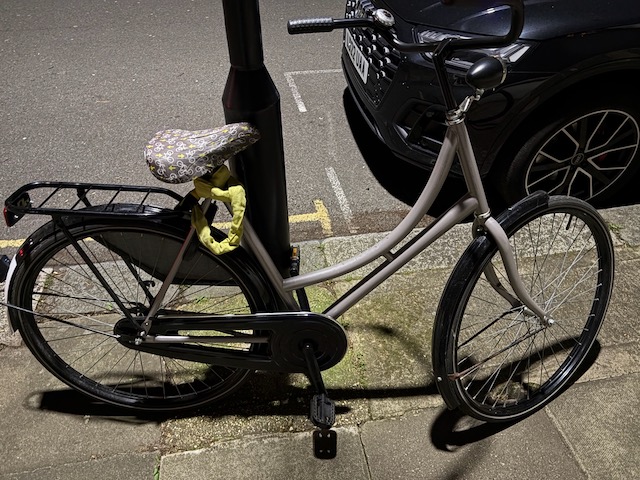
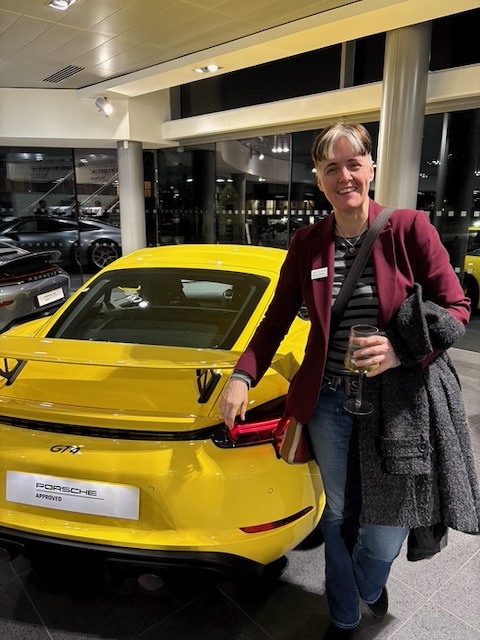
The best communicators I work with are not the most polished. They are the most present.No licence. But I don’t need one. I have my own Porsche waiting outside. (So I can at least have that glass of bubbly 😉)
(For anyone curious about the four stages of competence, the model was originally developed by Martin M. Broadwell in 1969. This article explains it well: https://www.toolshero.com/personal-development/four-stages-of-competence/)