
Have you ever found yourself mid-conversation thinking, “Wait… what are we really talking about here?”
That’s exactly the kind of moment Charles Duhigg explores in Supercommunicators — and why this book was such a timely read for me.
As someone who works closely with clients navigating challenging conversations, I found this framework immediately useful:
🧩 Duhigg breaks down communication into three types of conversations — practical, emotional, and social.
The key? First, figure out what kind of conversation you’re in. And know that it can shift — sometimes more than once — in a single dialogue.
Some highlights I’ve already put into practice:
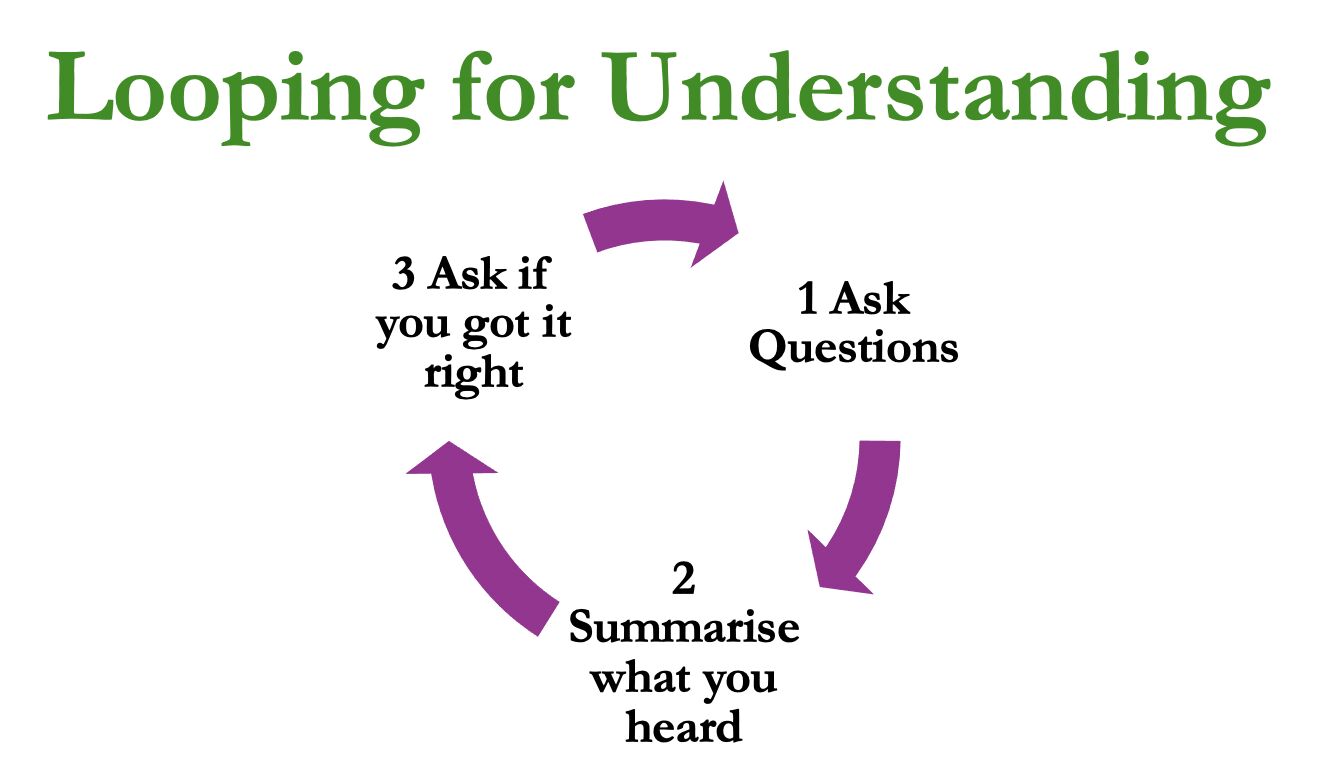
🔁 Looping for understanding — a central listening skill where we reflect back what we’ve heard to ensure clarity.
💬 As Yale psychologist Margaret Clark puts it:
“The best listeners aren’t just listening. They’re triggering emotions by asking questions, expressing their own emotions, doing things that prompt the other person to say something real.”
🧠 Prepare with purpose — even a few intentional questions beforehand like “What does this person really need?” or “What mindset do I want to bring in?” can shape the entire tone of a conversation.
📚 Supercommunicators is now firmly on my recommended list for facilitators, coaches, and anyone who wants to become a better conversationalist — especially when the stakes are high.
(see in link below to his TedTalk he did last year on the same topic: The science behind dramatically better conversations | Charles Duhigg | TEDxManchester https://youtu.be/lg48Bi9DA54?si=AYCzLBRJWhQu6c_h)
#Supercommunicators #CommunicationSkills #LeadershipDevelopment #TrustedAdvisor #Facilitation #ActiveListening

 KoConsultancy