
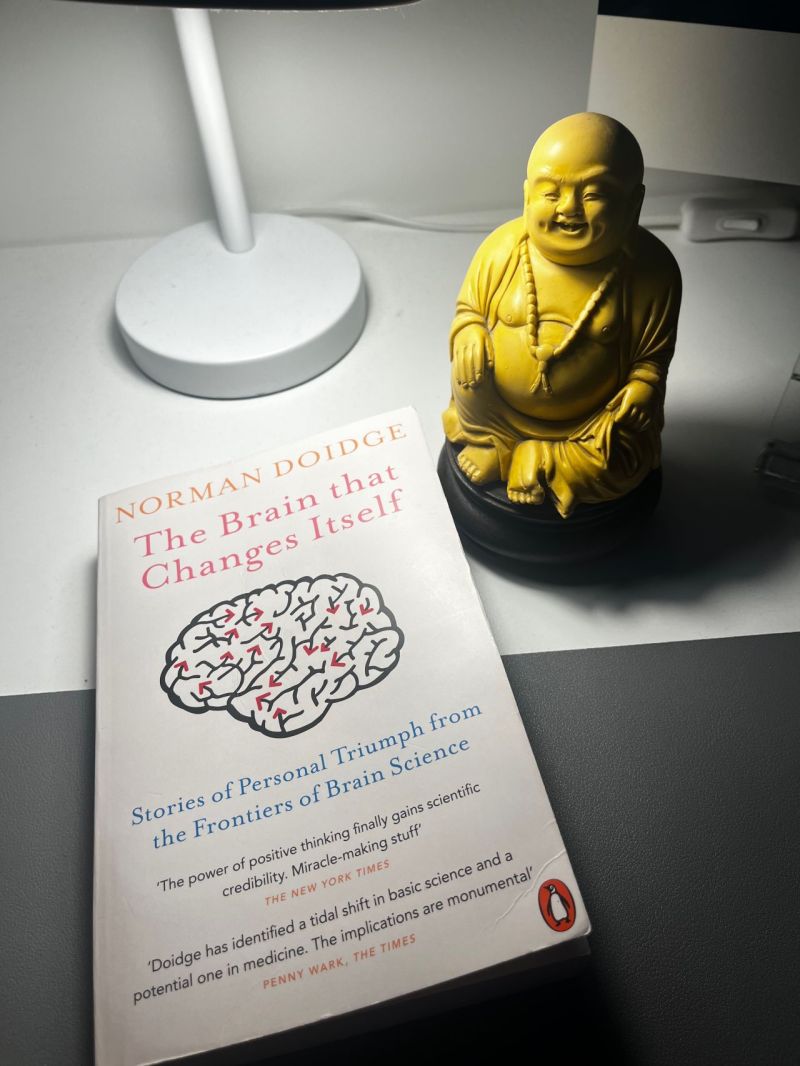
Earlier this year finished The Brain That Changes Itself by Norman Doidge, and it made me rethink how adaptable our brains truly are. As a Senior Communication and Leadership Development Facilitator & Coach, I’ve always been interested in neuroscience. This book offered some eye-opening insights that I wish I’d known—not just for the work I do, but on a much more personal level, especially when it comes to recovery.
Here are 3 things I learned that really resonated with me:
- 💪🧠 The Brain Can Rewire Itself for Both Communication and Physical Function
One of the most powerful concepts in the book was how the brain can reorganise itself after an injury—not just for speech, but for physical movement as well. My mum had a stroke eight years ago, and was left partly paralysed, along with speech challenges. At the time, we were often told, “It is what it is,” but if I had understood neuroplasticity back then, I would’ve known that the brain doesn’t just accept damage—it can adapt. Whether it’s movement or language, other parts of the brain can step in to take over. Recovery is possible, and the brain has an incredible ability to heal, even when it seems like all hope is lost. - 🔄🧠 Repetition and Practice Literally Change Your Brain
Neuroplasticity isn’t just about recovery—it’s about growth. Repeating tasks, whether learning new skills or practicing communication, physically rewires the brain. As a coach, I’ve seen this firsthand: consistent practice strengthens the neural pathways necessary for leadership and communication. It’s not just about putting in the hours—it’s about creating lasting change in how we think, communicate, and act. - 🌱✨Rest + Stimulation = Lasting Change
The section on Transcranial Magnetic Stimulation (TMS) was eye-opening. It shows that with the right stimulation—and crucial rest—the brain can make permanent changes. This mirrors what I see in leadership development: true growth often comes not just from pushing hard, but from taking time to reflect, rest, and let new skills integrate.
These insights really hit home for me, especially in the context of my mum’s journey. I believe it could have made a world of difference in her recovery. The brain’s capacity to adapt is real, and that’s something we can all take into our own lives—whether we’re recovering from an injury or working on personal growth.
#Neuroplasticity #LeadershipDevelopment #Coaching #PersonalGrowth #Neuroscience #ProfessionalGrowth #TMS #TheBrainThatChangesItself
 KoConsultancy